5 Must-Ask Questions Before Hiring a Pressure Washer in Bellevue
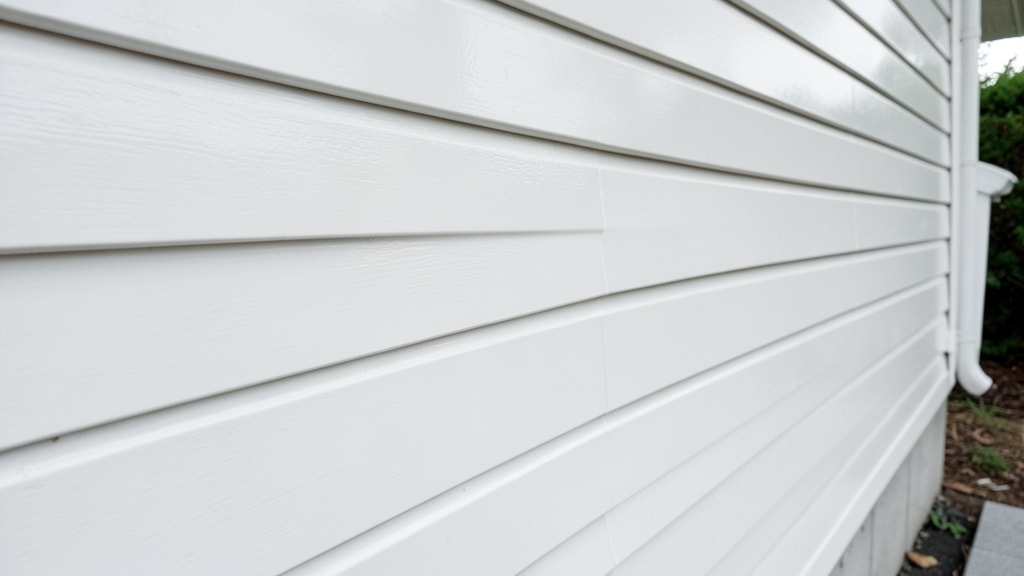
Hiring the wrong pressure washing crew can damage siding, strip paint, or leave streaks across your driveway. We’ve seen it firsthand in neighborhoods from Medina to Issaquah. Asking the right questions upfront separates the pros from the weekend warriors with a rented machine.
1. Do You Use Soft Wash for Delicate Surfaces?
Soft wash isn’t just a buzzword—it’s essential for roofs, cedar siding, and older paint. High PSI can blast granules off shingles or etch concrete, but a properly calibrated soft wash system uses low pressure and specialized detergents to kill algae and mildew without harm.
In our damp Pacific Northwest climate, soft wash also prevents rapid regrowth. Ask if they adjust PSI and GPM for each surface, not just rely on one setting for every job.
Reputable crews will refuse to pressure wash asphalt shingles. Soft wash is the only safe method for roofs in Kirkland, Bellevue, or Redmond.
2. What Detergents and Cleaners Do You Use?
Not all detergents are created equal. Harsh bleach mixes can damage plants, corrode metal fixtures, or leave residue that attracts dirt faster. We use eco-friendly, biodegradable cleaners that break down safely in our local watersheds.
For tough stains like oil on driveways or graffiti in Newcastle, ask if they switch to industrial-grade degreasers or pH-neutral solutions. The right cleaner saves time and prevents callback jobs.
3.
Washington state requires a contractor’s license for pressure washing businesses. Always verify their registration with the Department of Labor & Industries. Unlicensed operators often cut corners on safety and quality.
Insurance is non-negotiable. A slip-and-fall on your property or a broken window from a misdirected sprayer could leave you liable. Local crews understand Bellevue’s permits and HOA rules better than out-of-town outfits.
Verify Before Hiring
- Valid WA state contractor license
- General liability insurance ($1M+ recommended)
- Workers’ compensation coverage
- Local business address (not just a P.O. box)
4. How Do You Handle Water Runoff and Reclamation?
Bellevue’s stormwater regulations are strict. Dumping soapy water or debris into storm drains can result in fines. Pros use containment systems, like barriers or vacuum recovery, to collect runoff for proper disposal.
For commercial jobs in Redmond or Issaquah, ask if they comply with municipal water quality codes. Residential driveways often need less stringent measures, but it’s still a sign of professionalism.
| Method | Runoff Risk | Best For |
|---|---|---|
| Soft Wash | Low (minimal water volume) | Roofs, siding, decks |
| Hot Water Pressure Washing | Moderate (oil/grease runoff) | Driveways, commercial concrete |
| Cold Water Pressure Washing | High (if not contained) | General cleaning, graffiti removal |
| Chemical-Only (No Rinse) | Very Low | Delicate surfaces, moss treatment |
5. Can You Provide References from Similar Jobs?
A portfolio of before-and-after photos is a start, but references from homeowners in your neighborhood are better. Ask for examples of work on homes like yours—whether it’s a craftsman in Medina or a modern build in Kirkland.
Pay attention to longevity. If a company’s work looks great a week later but fades fast, they likely skipped prep steps like pre-treating stains or using the wrong detergent concentration.
Avoid contractors who can’t name a single local job or refuse to provide references. Transparency is key.
What Equipment Do You Use, and Why Does It Matter?
Not all pressure washers are equal. Commercial-grade machines (3,000+ PSI, 4+ GPM) handle tough jobs like driveway cleaning or graffiti removal. Residential units often lack the power for deep cleaning.
Surface cleaners—those wide, multi-nozzle attachments—are a must for large concrete areas. They prevent “striping” and cut job time in half. Ask if they bring these for your driveway or patio.
Do You Offer a Satisfaction Policy?
Mistakes happen—even to experienced teams. A satisfaction promise means they’ll return to fix streaks, missed spots, or damage at no extra cost. Get it in writing.
Some companies offer seasonal maintenance plans for roof or gutter cleaning. This is common in wetter areas like Issaquah, where moss and algae return quickly.
How to Vet a Pressure Washing Contractor in 5 Steps
Use this quick checklist to separate the pros from the pretenders.
- 1Check Licenses and Insurance
Verify their WA state contractor license and request certificates of insurance. Call the insurer to confirm coverage is active.
- 2Ask About Methods
Confirm they use soft wash for roofs and adjust PSI/GPM for each surface. Avoid one-size-fits-all approaches.
- 3Review Local Work
Request addresses of recent jobs in Bellevue, Kirkland, or nearby. Drive by to inspect the results in person.
- 4Discuss Runoff and Cleanup
Ensure they follow local water regulations and use containment systems where needed. Ask who handles disposal fees.
- 5Get a Written Estimate
A detailed quote should include scope of work, materials, and timelines. Avoid verbal agreements—always get it in writing.
Frequently Asked Questions
How often should I pressure wash my Bellevue home?
Most homes need a full wash every 1–2 years, but it depends on exposure. North-facing walls or homes near trees may need annual cleaning to prevent mildew buildup. Roofs often require soft washing every 2–3 years in our moist climate.
Can pressure washing damage my siding?
Yes, if done incorrectly. Vinyl siding can crack under high PSI, and wood siding can splinter. Always hire a crew that uses the right nozzles (e.g., 25° or 40°) and keeps the wand at a safe distance.
Do I need to move my cars or outdoor furniture?
For driveway or patio cleaning, yes. Detergents and debris can damage vehicles or furniture. Most contractors will ask you to clear the area beforehand. For house washing, they’ll typically cover nearby plants and outdoor items.
What’s the difference between pressure washing and power washing?
Pressure washing uses cold water, while power washing uses heated water. The heat in power washing is more effective for grease, oil, and stubborn stains on driveways or commercial surfaces in areas like Redmond or Newcastle.
How long does a typical pressure washing job take?
A standard house wash takes 2–4 hours, depending on size and condition. Driveway cleaning usually takes 1–2 hours. Larger properties or commercial jobs can take a full day. Weather and surface prep (e.g., scraping loose paint) can extend the timeline.
Will pressure washing remove paint from my deck?
It can if the paint is old or peeling. We recommend testing a small area first. For decks, a lower PSI (under 1,500) and a wide-angle nozzle help preserve the finish. Stripping old paint may require chemical strippers before rewashing.