Sodium Hypochlorite vs. Alternative Cleaning Agents: A Pressure Washing Comparison in Bellevue
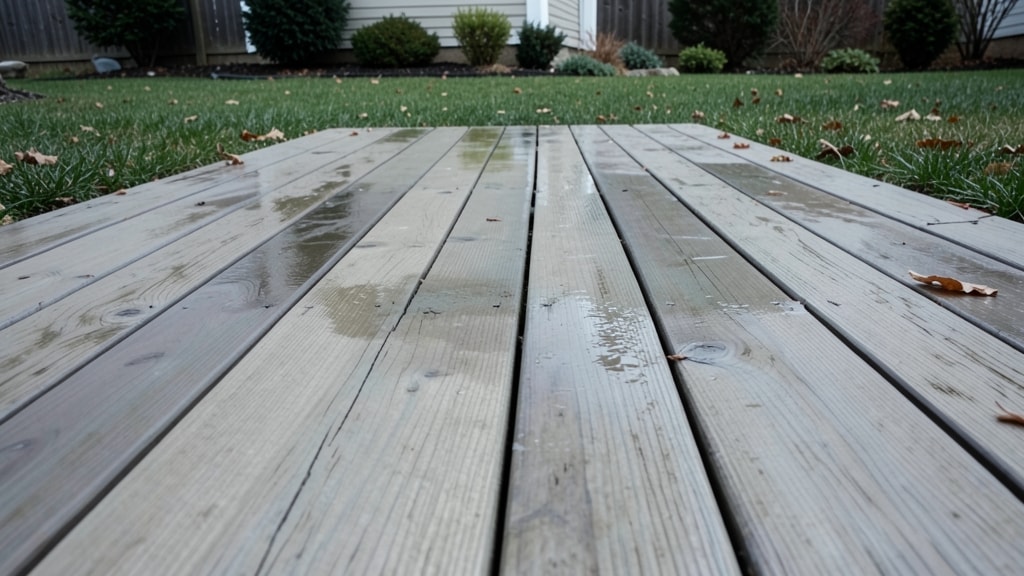
In the Pacific Northwest, persistent moisture breeds algae, mold, and moss that cling to siding, roofs, and driveways. The right cleaning agent makes the difference between a surface that looks clean and one that stays clean. We break down sodium hypochlorite’s power against gentler alternatives—and when to use each in our region.
Why Cleaning Agent Choice Matters in Our Climate
Bellevue’s damp winters and mild summers create ideal conditions for organic growth on exterior surfaces. Sodium hypochlorite (bleach) is the industry standard for eradicating these contaminants quickly and thoroughly.
Alternatives like oxalic acid or hydrogen peroxide offer eco-friendly options but may require longer dwell times or multiple applications. The wrong choice can mean incomplete cleaning or even surface damage.
Western Washington’s frequent rain can rinse away some cleaners before they take full effect. We often adjust concentrations or use surfactants to improve adhesion.
Sodium Hypochlorite: The Heavy Hitter for Pressure Washing
Sodium hypochlorite (10-12% concentration) is unmatched for killing algae, mold, and mildew on contact. It’s the backbone of soft wash systems for roofs, siding, and decks in Kirkland, Redmond, and Medina.
When applied with low pressure (under 1,000 PSI), it safely lifts contaminants without damaging surfaces. Its residual effect continues working after application, preventing rapid regrowth.
How Sodium Hypochlorite Compares to Alternatives
Not all cleaners deliver the same results. Below is a head-to-head comparison of effectiveness, safety, and environmental impact for common agents used in pressure washing.
| Agent | Best For | Effectiveness on Organics | Surface Safety | Environmental Impact |
|---|---|---|---|---|
| Sodium Hypochlorite | Mold, algae, mildew, moss | Excellent (kills on contact) | Safe on most surfaces when diluted; can bleach wood/landscape | Moderate (requires careful runoff control) |
| Oxalic Acid | Rust stains, wood brightening | Good (dissolves iron oxide) | Safe for wood, concrete, masonry | Low (biodegradable) |
| Hydrogen Peroxide | Mild organic growth, discoloration | Fair (slower kill rate) | Safe for most surfaces | Low (breaks down to water/oxygen) |
| Citric Acid | Light mold, water spots | Fair (requires scrubbing) | Safe for delicate surfaces | Low (natural, biodegradable) |
| Vinegar (Acetic Acid) | Light grime, mineral deposits | Poor (ineffective on heavy growth) | Safe but may etch some stone | Low (minimal impact) |
When to Avoid Sodium Hypochlorite
Bleach isn’t ideal for every job. It can discolor stained wood decks in Issaquah or Newcastle, or harm sensitive plants if runoff isn’t controlled. Always pre-wet vegetation and rinse thoroughly.
For colored concrete, brick, or certain composite materials, we often switch to oxalic acid or hydrogen peroxide to avoid bleaching. Test a small area first—our team does this on every project.
Sodium hypochlorite can harm aquatic life if it enters storm drains. We use containment systems and neutralize runoff when working near waterways or sensitive landscapes.
Eco-Friendly Alternatives: Pros and Limitations
Oxalic acid excels at removing rust stains from driveways and brightening grayed wood decks. It’s a go-to for homeowners in Medina who prioritize plant safety and minimal environmental impact.
Hydrogen peroxide is effective for light mold and mildew but often requires a surfactant to improve contact time. It’s a favorite for roof washing where sodium hypochlorite isn’t suitable.
Citric acid and vinegar are best for light-duty cleaning. They’re safe for windows and gutters but lack the punch for heavy organic growth common in our region.
The Role of Surfactants and Dwell Time
No cleaner works without proper dwell time—the period it sits on the surface to break down contaminants. Sodium hypochlorite typically needs 5-10 minutes; alternatives may require 15-20.
Surfactants (soaps) help cleaners cling to vertical surfaces like siding or fences. We add them to every mix, especially for soft wash applications in windy or rainy conditions.
Pressure Washing Equipment and Agent Compatibility
Not all pressure washers handle every cleaner. Sodium hypochlorite requires corrosion-resistant pumps and hoses. We use dedicated soft wash systems to avoid equipment damage.
Alternatives like oxalic acid are less corrosive but may still require stainless steel components for long-term use. Always flush your system with water after use to prevent buildup.
Pre-Job Equipment Check
- Verify pump and hose compatibility with chosen cleaner
- Inspect nozzles for clogs or wear
- Test pressure settings on a small, hidden area
- Ensure proper PPE (gloves, goggles, respiratory protection for bleach)
Real-World Applications in the Bellevue Area
For roof washing in Kirkland or Redmond, we often use a sodium hypochlorite soft wash to kill algae without damaging shingles. The same approach works for house washing in Bellevue’s wooded neighborhoods.
Driveway and concrete cleaning in Issaquah or Newcastle frequently combines sodium hypochlorite for organics with oxalic acid for rust stains. Decks and fences may use hydrogen peroxide to avoid wood discoloration.
How to Choose the Right Cleaning Agent for Your Pressure Washing Job
Selecting the wrong cleaner can waste time or damage surfaces.
- 1Identify the Contaminant
Determine if you’re dealing with algae, mold, rust, or general grime. Sodium hypochlorite handles organics; oxalic acid targets rust.
- 2Assess Surface Material
Wood, concrete, and composite materials react differently. Test a small area first to check for discoloration or damage.
- 3Consider Environmental Impact
If runoff is a concern (near gardens or waterways), opt for hydrogen peroxide or oxalic acid. Always contain and neutralize runoff when using bleach.
- 4Factor in Dwell Time and Weather
Choose an agent that can work within the time before rain or wind interferes. Surfactants help in breezy conditions.
- 5Check Equipment Compatibility
Ensure your pressure washer can handle the cleaner. Sodium hypochlorite requires corrosion-resistant parts.
- 6Consult a Professional
For large or complex jobs, request a quote. We’ll assess your surfaces and local conditions to recommend an approach.
Frequently Asked Questions
Is sodium hypochlorite safe for pressure washing my Bellevue home’s vinyl siding?
Yes, when properly diluted (typically 1-3% for residential use) and applied with low pressure. Sodium hypochlorite is highly effective on vinyl but should be rinsed thoroughly to prevent premature aging. Always pre-wet plants and avoid direct overspray.
Can I use vinegar for pressure washing my deck in Kirkland?
Vinegar can remove light grime and mineral deposits, but it’s not strong enough for heavy mold or mildew common in our climate. For wood decks, we recommend oxalic acid for brightening or hydrogen peroxide for organic growth. Vinegar may require scrubbing and multiple applications.
How do I prevent bleach from killing my plants during pressure washing?
Pre-wet all vegetation with water before applying sodium hypochlorite. Use a lower concentration (1-2%) and rinse plants immediately after cleaning. For sensitive landscapes, consider a plant-safe alternative like hydrogen peroxide or schedule the job for cooler, overcast days to reduce stress.
What’s a good cleaner for removing moss from my Redmond roof?
A sodium hypochlorite soft wash is the most effective method for moss removal. Applied with low pressure (under 500 PSI), it kills moss at the root without damaging shingles. Follow up with zinc or copper strips to prevent regrowth. Avoid high-pressure washing, which can lift shingles.
Does pressure washing with oxalic acid work on concrete driveways in Issaquah?
Yes, oxalic acid is excellent for removing rust stains and brightening concrete. It’s less effective on organic growth like mold or algae, so we often combine it with sodium hypochlorite for driveways with mixed stains. Always rinse thoroughly to prevent residue.
How often should I pressure wash my home in Bellevue to prevent mold and algae?
In our climate, we recommend annual pressure washing for most homes, with soft wash treatments every 1-2 years for roofs and north-facing walls prone to algae. Regular maintenance prevents buildup and extends the life of your exterior surfaces. Factors like tree cover and humidity may require more frequent cleaning.